

AI in Mental Health: Should GP Practices and Hospitals Use AI Surveillance to Monitor Patients?
Imagine you are at the lowest point of your life. You have been admitted to a mental health ward, scared and exhausted. You finally fall asleep, and above your bed, a small camera keeps watching.
For some patients, that camera is a relief. No torch in the face at 2am. No door opening every hour. For others, it feels like losing the last private space they have.
This is already happening on NHS wards. Alongside cameras, apps now track mood, wearables measure sleep and algorithms try to predict who might reach a crisis. AI in mental health is moving faster than the rules around it.
So should hospitals and GP practices use AI to monitor mental health patients? And if they do, where should the line be drawn?
What Does AI Monitoring in Mental Health Look Like?
AI monitoring is not one single tool. It usually falls into four groups:
- Ward cameras and sensors that check pulse, breathing and movement without staff entering the room
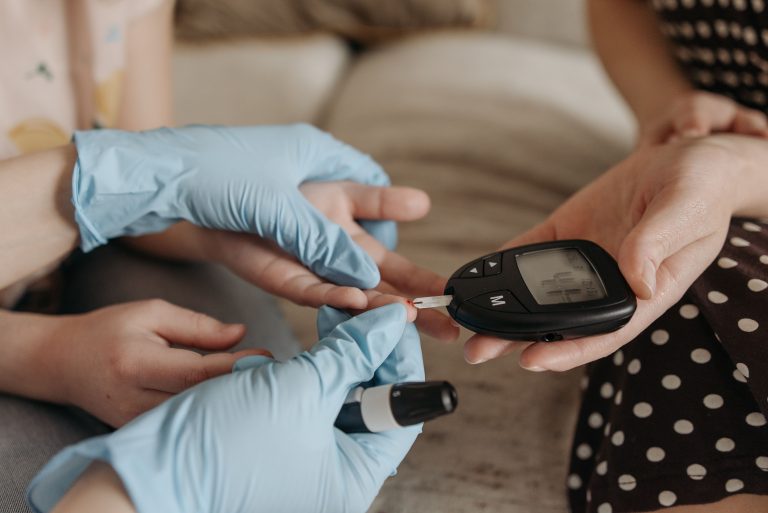
- Wearables that track sleep, activity and heart rate as part of remote patient monitoring
- Mood-tracking apps that spot worrying patterns between appointments
- Record-based risk tools that scan patient data to flag people who may need extra support
The first type is the most debated. The last type is the most relevant to GP practices.
Why AI Surveillance Is Under the Spotlight
The Lampard Inquiry is examining the deaths of almost 2,000 people under the care of Essex mental health services between 2000 and 2023. Part of its work looks at Oxevision, a camera system used in patient bedrooms, and whether its use should stop. Because the system is used in around 40% of NHS mental health trusts, the outcome could affect AI in hospitals nationwide.
The inquiry has pushed one question to the front: is technology helping staff care for patients, or quietly replacing that care?
The Benefits of AI in Mental Health Care
Used well, AI can help in several ways:
- Earlier warning signs. It can spot slow changes in sleep, activity or prescribing that a busy clinician may miss.
- Less disruption. Night-time checks without waking patients can support rest and recovery.
- Support for stretched teams. It sorts data so clinicians can focus on the patients who need them most.
- Care between appointments. It helps fill the long gaps between contacts.
Rethink Mental Illness has accepted that some patients may prefer less disruptive monitoring and may choose to consent to it.
The Real Pain Points
Consent When Someone Is Unwell
A person in crisis may not fully understand what they are agreeing to. Campaigners say ward cameras were sometimes used without proper consent or even without patients knowing. The supplier disputes this.
Privacy and Dignity
Health data is special category data under UK GDPR. Monitoring someone in their bedroom, or through their phone, needs a very strong reason and clear safeguards.
Bias and False Alarms
AI learns from data. If that data leaves out certain groups, the tool may work less well for them. Too many false alerts can also lead staff to ignore real warnings.
Losing the Human Connection
A sensor can confirm someone is breathing. It cannot ask if they feel safe, hopeless or in pain. Recovery depends on people, not screens.
Hospitals vs GP Practices: Where Should AI Fit?
In hospitals, monitoring technology may have a place, but only with clear consent, regular review and enough staff to act on alerts. It should never be used as a reason to cut face-to-face checks.
In GP practices, camera surveillance has no place. But mental health in primary care is a big and growing workload. Many patients return to their GP after a hospital stay for prescriptions, blood tests and physical health checks.
Here, AI works best behind the scenes. It can find patients overdue a medication review, flag risky prescribing and support blood test recalls. The final decision must always sit with a clinician who speaks to the patient.
Before using any AI tool, ask three things. Is consent clear? Is the tool regulated under MHRA rules and backed by evidence? And who acts when it raises an alert?
How The Medicines Management Team Supports GP Practices
At The Medicines Management Team, we believe technology works best in skilled hands. Our clinical pharmacists and pharmacy technicians support GP practices and PCNs across the UK, making sure every patient has a real person reviewing their care.
For patients with mental health needs, we provide:
- Structured medication reviews for antidepressants, antipsychotics and other psychiatric medicines, including conversations about side effects and how patients are coping
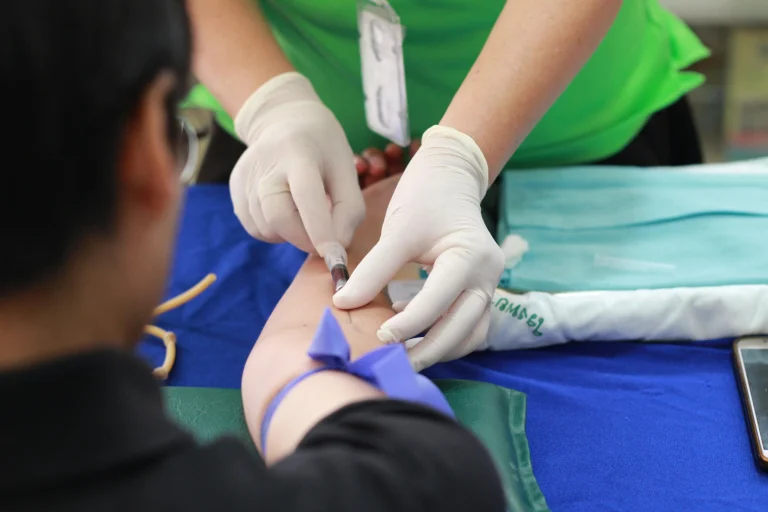
- High-risk drug monitoring so patients needing regular blood tests stay safely on track
- Medicines reconciliation after discharge so nothing is missed when a patient leaves a mental health unit
- Clinician-led clinical tools that make recalls and monitoring easier, with a pharmacist always in control
- ARRS funding support to help you bring experienced pharmacists into your team
See our full range of clinical pharmacist services.
Conclusion
AI in mental health can spot risks earlier and ease pressure on busy teams. But it also raises real concerns about consent, privacy and human contact. Hospitals need strict safeguards before using monitoring technology. GP practices should keep AI behind the scenes, supporting clinicians rather than watching patients.
In every setting, the rule is simple: AI can watch the data, but people must care for the patient.
Need Expert Pharmacist Support for Your Practice?
Give your patients safe, consistent medicines management and free up your GPs’ time. Our clinical pharmacists can start supporting your practice from day one.
Call 01274 317497, email info@medicinesteam.co.uk, or contact us online to book a free consultation.
Frequently Asked Questions
AI is used to monitor vital signs on wards, track mood and sleep through apps and wearables, and scan health records to find patients who may need extra support.
It can be, but it must follow UK GDPR rules for health data, meet MHRA regulations where it acts as a medical device, and be based on informed consent wherever possible.
Oxevision is a camera-based system used on some NHS mental health wards to check pulse and breathing without entering the room. Its use is being examined by the Lampard Inquiry.
Not through cameras. Some practices use AI-supported tools to flag overdue reviews and support recalls, but clinicians make all care decisions.
No. AI can highlight risks, but it cannot build trust, understand feelings or make safe clinical judgements.
If you or someone you know is struggling, call NHS 111 and select the mental health option, or contact Samaritans free on 116 123.