


Polypharmacy Guidance Appropriate Prescribing:
Common Medications That Have the Potential to Cause Harm- Key Risks and Considerations
Key Takeaways:
- The 10% Statistic: Medication-related incidents still account for approximately 10% of all patient safety events in the UK in 2026.
- Polypharmacy Crisis: With the new 2026-2029 Polypharmacy Guidance, the focus has shifted to “7-Step” reviews to reduce the environmental and physical burden of overprescribing.
- New 2026 Alerts: Stay informed on recent MHRA updates for GLP-1 agonists (pancreatitis risks) and the significant review of gabapentinoids and Z-drugs.
- The “Double-Edged” Nature: Every category, from ACE inhibitors to Opioids, requires a personalized “benefits vs. risks” assessment, especially for frail older adults.
Introduction
Medicines are among the greatest achievements of modern science, offering the power to prevent disease and extend life. However, in 2026, the complexity of modern prescribing driven by an aging population and multi-morbidity means that the risk of harm is higher than ever.
Approximately one in ten patient safety incidents in the NHS is related to medication. For the “frail elderly” or those living with polypharmacy (taking five or more medicines), the pharmacy cabinet can quickly become a minefield.
Based on the latest clinical guidelines and the recent 2026/27 GP Contract updates, here is the definitive breakdown of the medications that require your utmost vigilance.
ACE Inhibitors and ARBs: The Blood Pressure Balancing Act
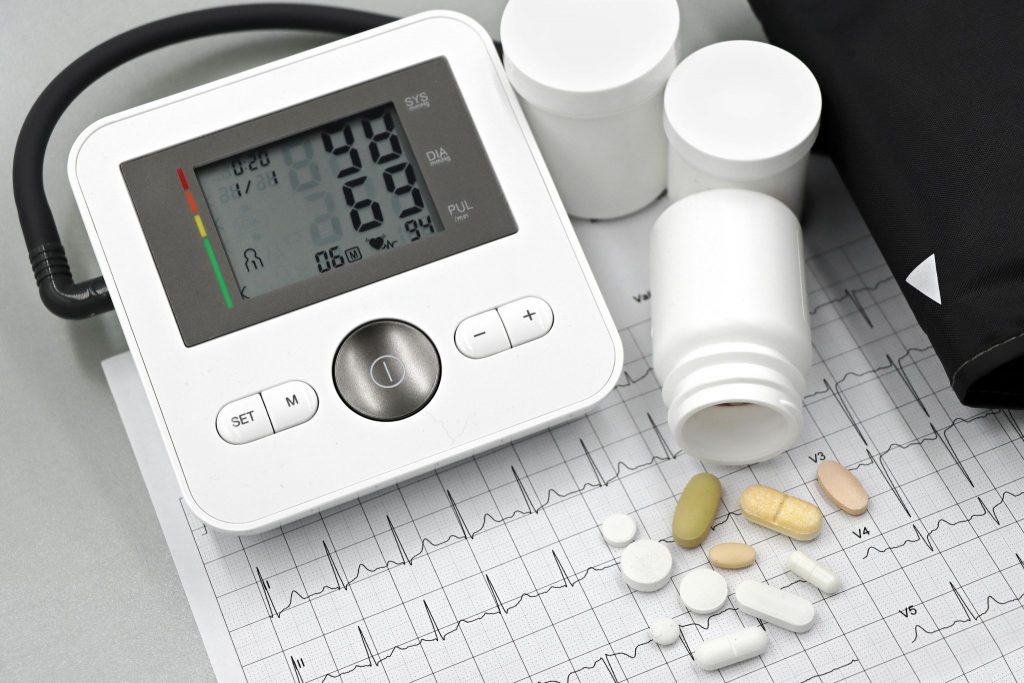
Widely used for hypertension and heart failure, drugs like Ramipril and Losartan are staples of UK primary care.
Although highly effective, ACE inhibitors and ARBs require careful monitoring because they can affect kidney function and blood pressure. Patients may develop dizziness, low blood pressure, or falls, particularly older adults or those who are dehydrated. Kidney function and electrolyte levels must therefore be checked before starting treatment and during dosage adjustments.
- 2026 Update: In April 2026, a Class 2 Medicines Recall was issued for specific batches of Ramipril 10mg due to manufacturing errors.
- The Risk: These drugs can cause a sudden drop in kidney function or dangerous spikes in potassium. Dehydration, often from a simple stomach bug can turn these helpful pills into a cause of acute kidney injury (AKI).
Antibiotics: The Stewardship Challenge
While essential for infections like sepsis, the over-reliance on Amoxicillin or Ciprofloxacin continues to drive antimicrobial resistance.
- The Risk: One major concern is antimicrobial resistance, which occurs when bacteria adapt and become resistant to treatment. Certain antibiotics also increase the risk of Clostridioides difficile (C. diff) infection, particularly in older adults and care home residents. This infection can cause severe diarrhoea and life-threatening complications .
Healthcare providers should therefore prescribe antibiotics only when necessary and avoid unnecessary prophylactic use.
Antidepressants: Monitoring Beyond the Mood

From Sertraline (which saw a batch recall in April 2026) to Amitriptyline, these drugs are vital for mental health but carry hidden physical costs.
- The Risk: While beneficial for mental health treatment, these medications may increase the risk of falls, sedation, confusion, and cardiovascular complications. Tricyclic antidepressants have a high “anticholinergic burden,” which in 2026 is a key metric for dementia risk. They can cause confusion, dry mouth, and a significantly increased risk of falls in the over-65s.
Careful selection of antidepressants and close patient monitoring are essential, especially in individuals with cardiovascular disease or cognitive impairment.
Antithrombotics: Prevention vs. Hemorrhage

This category includes antiplatelet drugs such as aspirin and clopidogrel while blood thinners like Apixaban or Warfarin are lifesavers for stroke prevention.
- 2026 Update: The 2026/27 QOF changes now officially include Ticagrelor in the list of antiplatelets for stroke and CHD monitoring.
- The Risk: The “bleeding vs. clotting” see-saw is delicate. Prolonged dual antiplatelet therapy (DAPT) without a PPI for gastroprotection is a leading cause of emergency hospital admissions for GI bleeds.
Regular monitoring is essential to assess kidney function, drug interactions, and bleeding risk. Dual antiplatelet therapy must also be reviewed carefully because prolonged use may increase the likelihood of gastrointestinal bleeding.
Beta-Blockers: The Heart’s Speed Limiter

These medications are used for hypertension, heart rhythm disorders, and heart failure, Bisoprolol and its cousins are core to the new “4-pillar therapy” emphasized in the 2026 GP contract.
- The Risk: Bradycardia (a dangerously slow heart rate) and extreme fatigue can occur, particularly when combined with other heart medications.
Drug interactions and excessive dosing may further worsen symptoms, making regular clinical review important.
Chemotherapy: The High-Stakes Frontier

Modern oncology in 2026 has moved toward personalized medicine, but traditional chemotherapy remains high-risk.
- The Risk: Patients receiving chemotherapy are at risk of neutropenic sepsis, electrolyte imbalances, thrombocytopenia, constipation, and skin reactions. Because chemotherapy weakens the immune system, infections can become rapidly life-threatening.
Frequent blood monitoring and prompt medical intervention are therefore critical during treatment.
Cardiac Glycosides (Digoxin)
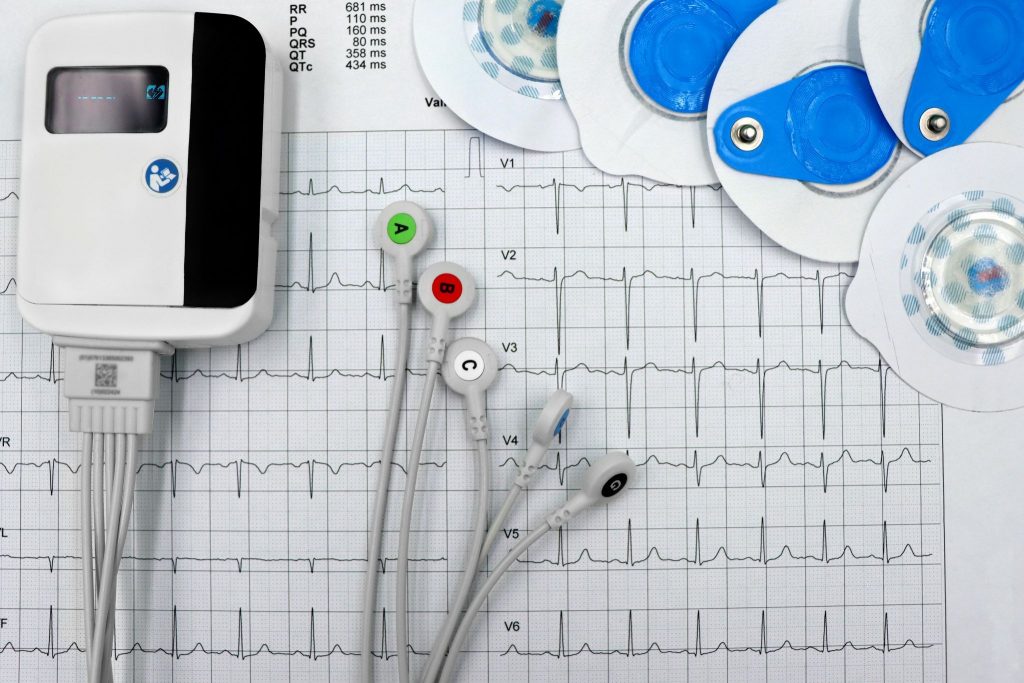
Digoxin is an “old but gold” drug for atrial fibrillation, but it has a notoriously narrow therapeutic window.
- The Risk: Toxicity can manifest as nausea or “yellow-green” halos in vision. Because it is cleared by the kidneys, even a minor decline in renal health can cause levels to skyrocket.
Kidney function, electrolyte levels, and serum digoxin concentrations require regular monitoring to reduce toxicity risk.
Diuretics: The Fluid Balance Struggle

Furosemide and Spironolactone are essential for “de-bulking” fluid in heart failure.
- The Risk: Although effective in reducing swelling and improving symptoms, these medications may cause dehydration, electrolyte imbalances, and low blood pressure. Older adults are especially vulnerable to falls and kidney impairment when taking strong diuretics.
Regular review and monitoring of fluid status and electrolytes are therefore essential.
Hypoglycaemic Agents: The Glucose Tightrope
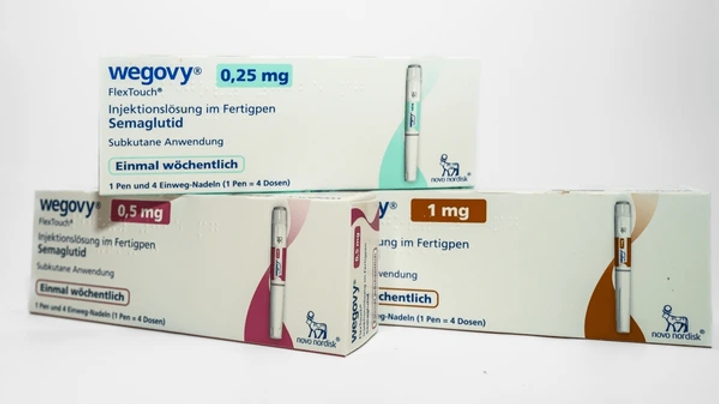
In 2026, we have seen a surge in GLP-1 agonists (like Ozempic/Wegovy).
- 2026 Update: The MHRA issued strengthened warnings in February 2026 regarding acute pancreatitis and rare vision changes (NAION) associated with these agents.
- The Risk: For traditional sulfonylureas or insulin, the danger remains hypoglycaemia, which in an older person can be mistaken for a stroke or dementia.
Low blood sugar may lead to confusion, falls, unconsciousness, cardiovascular events, and accidents. Medication plans should therefore be individualised according to the patient’s age, frailty, and overall health.
Montelukast: The Neuropsychiatric Shadow
Used for asthma, this drug has been under intense 2026 scrutiny.
- The Risk: The MHRA continues to emphasize the risk of “neuropsychiatric reactions,” including nightmares, depression, and even suicidal thoughts in children and adults.
Patients and caregivers should be informed about these risks and advised to seek medical attention if symptoms develop.
Mood Stabilisers (Lithium)
Lithium remains the gold standard for bipolar disorder but requires a “pharmacist’s precision.”
- The Risk: Toxicity is closely linked to salt intake and hydration. A change in diet or a new diuretic can push a patient into lithium toxicity within days. Toxicity may lead to tremors, confusion, seizures, and serious neurological complications.
Blood tests are therefore necessary to monitor lithium levels and kidney function regularly.
NSAIDs: The Silent Kidney Killers
These medicines are widely used for pain and inflammation but are strongly associated with gastrointestinal bleeding, kidney injury, and cardiovascular risks. Ibuprofen and Naproxen are the most commonly “self-prescribed” high-risk drugs.
- 2026 Update: A recall of Napralief in April 2026 due to missing patient safety info highlights the need for constant vigilance with these “everyday” painkillers.
- The Risk: Triple Whammy! Combining an NSAID, an ACE inhibitor, and a Diuretic is a “perfect storm” for acute kidney failure.
Long-term use should therefore be minimised where possible, and gastroprotection may be required in high-risk patients.
Opioids: The Long-Term Trap
With the ONS reporting that 50% of drug-related deaths in 2024 involved polypharmacy and opioids, the 2026 stance is one of extreme caution. Examples include morphine, oxycodone, fentanyl, codeine, and tramadol.
Opioids are powerful pain relieving medications but carry significant risks, particularly with long term use.
- The Risk: Dependence and respiratory depression. The 2026 “STOMP” initiative continues to fight the over-use of these drugs in vulnerable populations.
Older adults are especially vulnerable because age-related physiological changes can increase sensitivity to opioids and worsen adverse effects.
Psychotropic Agents (Benzodiazepines & Z-Drugs)
This category includes benzodiazepines and sleeping medications such as diazepam, temazepam, nitrazepam, and zopiclone. Diazepam and Zopiclone are now under a major 2026 MHRA review regarding addiction and withdrawal.
- The Risk: Long term use of these medications is associated with sedation, dependence, impaired balance, falls, confusion, and memory problems. In older adults, these effects may significantly reduce independence and quality of life.
Healthcare professionals should therefore aim to use the lowest effective dose for the shortest possible duration.
Proton Pump Inhibitors (PPIs)

Common proton pump inhibitors include lansoprazole, omeprazole, esomeprazole, and pantoprazole. These medications are widely prescribed to reduce stomach acid and manage conditions such as acid reflux, peptic ulcers, and gastritis.
- The Risk: Patients may develop hypomagnesaemia and hyponatraemia, both of which can lead to weakness, confusion, muscle cramps, and cardiac problems. Long-term PPI use has also been linked to an increased risk of Clostridioides difficile (C. diff) infection, particularly in older adults and hospitalised patients.
Healthcare professionals should therefore regularly review the ongoing need for PPIs and use the lowest effective dose for the shortest appropriate duration.
Steroid Inhalers (Inhaled Corticosteroids)
Inhaled corticosteroids (ICS) are commonly used in asthma and chronic obstructive pulmonary disease (COPD). These medications help reduce airway inflammation and improve breathing control.
- The Risk: Inhaled corticosteroids can increase the risk of pneumonia, particularly in older adults and patients with COPD. They may also cause oral thrush and hoarseness if inhaler technique and mouth rinsing are not performed correctly.
Patients should be educated on correct inhaler use and be monitored regularly to ensure that the lowest effective dose is being used.
Systemic Corticosteroids
Systemic corticosteroids such as prednisolone are powerful anti-inflammatory medications used to treat a wide range of conditions including asthma exacerbations, autoimmune diseases, and inflammatory disorders.
- The Risk: Long term therapy can contribute to osteoporosis, glaucoma, diabetes, hypertension, weight gain, and increased susceptibility to infections. Patients receiving extended courses may also develop adrenal suppression, meaning the body becomes unable to produce sufficient natural steroid hormones.
Because of these risks, corticosteroids should be reviewed regularly, gradually tapered where appropriate, and prescribed at the lowest effective dose. Preventive measures such as bone protection and monitoring for complications are also important.
Conclusion: A Collaborative Path to Safety
Many commonly prescribed medications have the potential to cause serious harm if not used carefully. Factors such as age, kidney function, frailty, drug interactions, and coexisting illnesses can significantly increase the risk of adverse effects. Safe prescribing therefore requires regular review, patient education, monitoring, and a personalised approach to treatment.
Safe prescribing in 2026 isn’t just about the doctor’s pen; it’s about a shared decision making process between the clinician, the patient, and the pharmacy team. By understanding these high risk groups, we can move from “reactive” medicine to “proactive” safety.
The TMMT Safety Net: Precision in Practice
At The Medicines Management Team (TMMT), we specialize in the “7-Step” medicine reviews mandated by the 2026 guidelines.
- SMR Excellence: Our remote clinical pharmacists conduct deep-dive Structured Medication Reviews (SMRs) to identify “The Triple Whammy” and reduce anticholinergic burden.
- Alert Integration: We ensure that the latest 2026 MHRA recalls like the recent Sertraline and Ramipril alerts are actioned immediately within your practice.
- Deprescribing Experts: We help clinicians safely reduce inappropriate polypharmacy, improving patient quality of life and reducing hospital admissions.
Is your practice struggling with the 2026 Polypharmacy mandates? Contact TMMT today to see how our remote pharmacists can secure your QOF points and protect your patients.
FAQs
It is the dangerous combination of an ACE inhibitor (or ARB), a Diuretic, and an NSAID. This trio significantly increases the risk of acute kidney injury.
Use the Yellow Card Scheme (mhra.gov.uk). In 2026, this remains the primary way the MHRA tracks “real-world” drug safety and issues recalls.
These drugs (like certain antidepressants and bladder meds) block a key neurotransmitter. In older adults, this is linked to confusion, falls, and an increased long-term risk of dementia.
It is a person-centered framework used in 2026 to ensure medicines are safe, effective, and sustainable, focusing on what matters most to the patient rather than just the clinical targets.
While effective, the 2026 MHRA update requires clinicians to monitor for signs of pancreatitis (severe abdominal pain) and vision changes. Always discuss your full medical history with a prescriber.