

Understanding the CQC Safe Environments Quality Statement in General Practice
The Care Quality Commission (CQC) quality statement on safe environments is one of the most thoroughly appreciated quality statements, as it covers the highly visible and tangible issues that one would expect a health and social care regulator to be looking for: premises, equipment, and security.
It does have its nuances and some less-appreciated aspects however, such as technology (including software and AI), protecting staff and patients from harms such as sexual harassment, and protecting staff during lone working and off-site working such as home visiting.
What the CQC Safe Environments Quality Statement Covers
The CQC’s definitive list of what this quality statement covers is:
- People are cared for in safe environments that are designed to meet their needs.
- Facilities, equipment and technology are well-maintained and consistently support staff to deliver safe and effective care.
- There are effective arrangements to monitor the safety and upkeep of the premises.
- Equipment used to deliver care and treatment is suitable for the intended purpose, stored securely and used properly.
- Leaders and staff consider how environments can keep people safe from psychological harm as well as physical harm, for example in relation to sexual safety and in relation to sensory needs.
Demonstrating Safe Environment Compliance Through Evidence
The safest way to approach this part of CQC compliance is to think in terms of evidence: if an inspector walked in tomorrow, rather than demonstrating to them that the environment is safe, could the inspector be clearly shown how a practice ensures it continuously keeps staff and patients safe?
A good starting point is infection prevention and control (IPC). CQC will look for a clear lead for infection control, usually a practice nurse or suitably trained clinician, who understands the requirements of the Health and Social Care Act. That person will need to have up‑to‑date training and a defined role description and should be able to produce evidence (accessible to other relevant staff) of regular infection control audits, cleaning schedules, deep‑clean records, and logs of staff training.
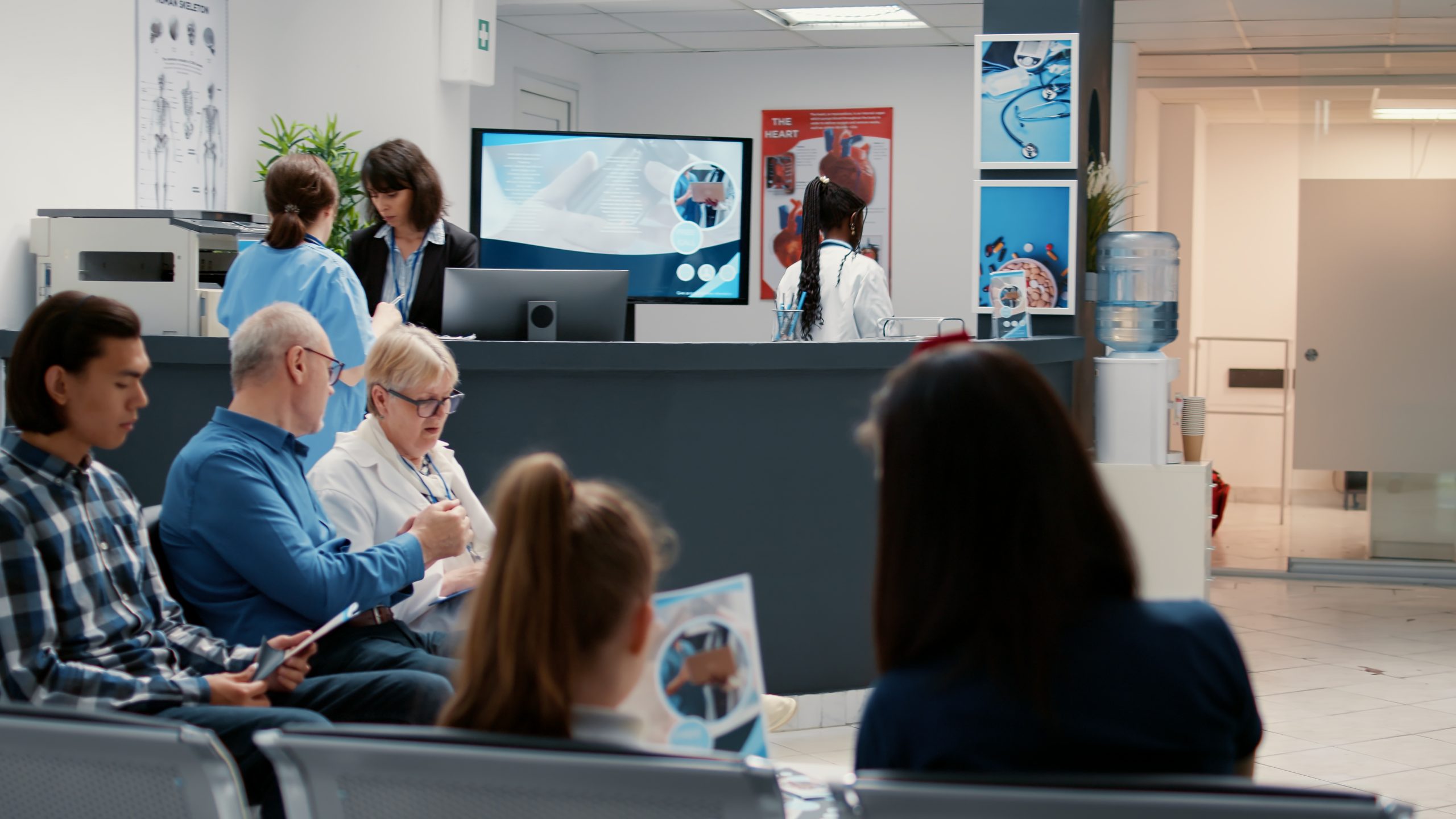
In the premises itself, inspectors will expect to see hand gel available, notices or logs showing when toilets, clinical rooms and waiting areas were last cleaned, and carpets and furnishings that are not stained or visibly worn.
Health and Safety Responsibilities in GP Practices
Health and safety is another core component of a safe environment. Practices should have up‑to‑date health and safety risk assessments that are treated as live documents rather than one‑off exercises. These should cover fire safety, slips and trips, sharps disposals/injury management, manual handling and where relevant, the storage of hazardous substances. Fire extinguishers and other equipment must be in the correct locations and in-date; fire doors / exit pathways must not be blocked (and be fully accessible for wheelchair users); and staff should know what to do in the event of a fire. An accident and incident book should be easily accessible so that staff can record any events promptly. The CQC inspector will be interested not only in the existence of these systems, but in how the organisation learns from incidents and near misses and whether you can show changes made as a result.
Preparing for a CQC Premises Walkthrough
The physical walkthrough of the premises is a key part of any inspection. Beforehand, it is worth doing your own internal walkthrough. De‑clutter all areas, particularly clinical rooms, corridors and storage spaces. Ensure that medical supplies cupboards are locked and that keys are stored securely. Check that all clinical and non‑clinical stock is in date, including emergency drugs, dressings, vaccines, and reference materials such as paper copies of the BNF. Inspectors may ask about the contents of doctors’ bags, emergency equipment, and vaccine fridges, including temperature logs and how you respond to temperature excursions. They will also look at whether your premises and equipment are clean, secure, suitable and used properly.
Inspectors may check the temperature of the hot water taps and ask to see the practice records for water temperature testing, flushing records (all taps must be flushed weekly to ensure water is not stagnant in the pipes) and the practice’s legionella risk assessment.
Security is another aspect of a safe environment. Inspectors will want reassurance that access to clinical areas, records and medicines is controlled. This includes locked rooms or cupboards for medical supplies, secure storage of prescription pads, and clear processes for door key management. Staff should understand their responsibilities for locking doors, securing computers and protecting confidential information (i.e. not leaving a smartcard in a keyboard unattended!). The inspectors will also be interested in how you manage the security of sensitive information, such as safeguarding registers, and how you ensure that only appropriate staff can view these records.
Equipment safety is often overlooked but is a common inspection focus. There needs to be up‑to‑date calibration reports for clinical equipment such as blood pressure monitors, and PAT testing reports for electrical items where appropriate. There should be a clear schedule for the inspector to scrutinise detailing when equipment is checked, who is responsible, and how you respond if something fails a safety check. Being able to produce this documentation quickly on the day of inspection is important.
Staff training is central to demonstrating a safe environment. A workforce training matrix that shows who has completed which training, and when refreshers are due, is extremely useful. Inspectors may ask to see certificates of attendance or completion, to check for themselves that your matrix is accurate.
AI Technology and CQC Expectations
On the technology front, use of AI software, including Ambient Voice Technology (AVT) will be at the forefront of every clinician’s mind. Helpfully, the CQC has put together this list of considerations and systems to have in place and be able to demonstrate. It is important to note that this list is what the CQC as the regulator of the Health and Social Care Act is looking for, and it may be that there are other requirements on practices outwith those that the CQC is specifically looking for, so it shouldn’t be treated as an all-encompassing exhaustive list of everything that is required before these technologies can be used.