

COPD Diagnosis and Treatment: A Complete Guide for Patients and Families
Chronic Obstructive Pulmonary Disease (COPD) is a serious, long term condition that severely impacts a person’s ability to breathe and affects their overall lung health. Although living with COPD can be challenging, receiving an early diagnosis and establishing a personalized treatment plan can make a tremendous difference. This proactive approach can significantly improve symptoms, slow the disease’s progression, and enhance one’s overall quality of life.
This guide is designed to explain the process of how doctors diagnose COPD, detail the main treatment options available across the UK, and offer practical, actionable steps for effectively managing sudden flare ups and helping you stay as well as possible.
Key Takeaways:
What is COPD?
How is COPD Diagnosed? COPD Treatment Options
Lifestyle Changes to Support Breathing
Conclusion
FAQs
What is COPD?
COPD, or Chronic Obstructive Pulmonary Disease, serves as an overarching term for chronic lung issues—chiefly chronic bronchitis and emphysema—that lead to blocked airflow and make breathing difficult. This condition progresses gradually, often developing across many years. Its most frequent causes include smoking, prolonged exposure to air pollution, and inhaling workplace dusts or chemicals.
Individuals living with COPD commonly face several symptoms:
- A cough that won’t go away
- Difficulty catching their breath (breathlessness)
- A whistling sound when breathing (wheezing)
- Recurrent chest infections
- Lowered ability to be physically active
Crucially, while COPD is a long term chronic illness, catching it early and establishing the right treatment plan can genuinely make a significant difference in managing the disease.
How is COPD Diagnosed?
Accurate diagnosis is the foundation of effective COPD management. Doctors use several COPD diagnosis methods to assess lung health and determine the best treatment plan.
Spirometry: The Key Lung Function Test
The single most crucial tool for diagnosing COPD is a spirometry lung function test. During this simple procedure, you forcefully exhale into a small device that takes two key measurements:
- The total volume of air you can breathe out.
- The speed at which you can expel that air.
These two measurements are vital because they immediately show doctors how well your lungs are working and whether there is any obstruction to your airflow. According to NHS guidelines, spirometry testing is highly recommended for anyone experiencing long term breathing symptoms, particularly if they are current or former smokers.
Chest X-rays and CT Scans
Imaging helps doctors:
- Rule out other causes (e.g., heart disease, lung cancer)
- Identify structural changes in the lungs
- Assess severity in advanced stages
Blood Tests
Blood tests may be used to:
- Check oxygen levels
- Rule out anemia or infection
- Identify alpha-1 antitrypsin deficiency (a genetic COPD cause)
These diagnostic tools help build a complete picture of the patient’s lung health.
COPD Treatment Options
Once diagnosed, treatment focuses on controlling symptoms, preventing flare-ups, and maintaining activity. COPD cannot be cured, but effective management helps patients live fuller lives.
Bronchodilator Therapy
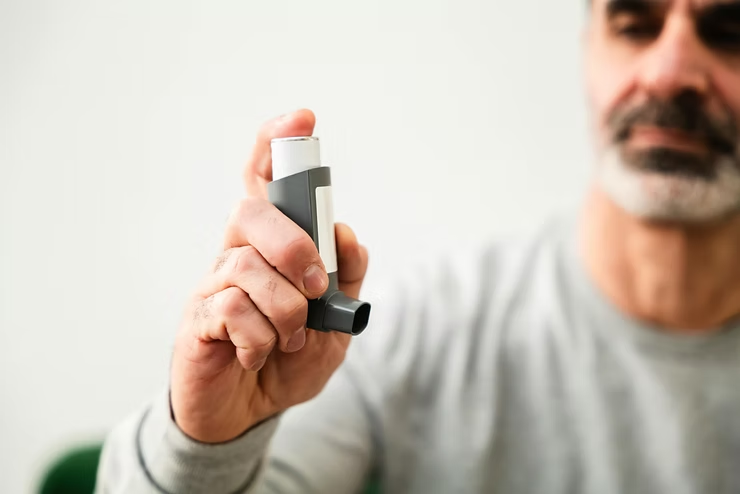
Bronchodilators are inhaled medications that relax the muscles around the airways, making breathing easier. These may include:
- Short-acting inhalers for quick relief
- Long-acting inhalers for daily symptom control
They are the first-line COPD treatment option and greatly reduce breathlessness.
Inhaled Corticosteroids for COPD
In certain situations, doctors will prescribe inhaled steroids because they are highly effective at reducing inflammation within the airways. These medications are particularly beneficial for two groups of patients:
- Those who experience frequent flare ups of their condition.
- Individuals whose blood tests show elevated numbers of eosinophils (a specific type of white blood cell).
Inhaled corticosteroids are most often paired with long-acting bronchodilators to achieve superior control over COPD symptoms.
Combination Inhalers
These inhalers combine bronchodilators and steroids for a stronger, more convenient treatment approach. They are commonly prescribed for moderate to severe COPD.
Pulmonary Rehabilitation
Pulmonary rehabilitation programmes include:
- Breathing exercises
- Strength and endurance training
- Education on managing symptoms
- Emotional support
Rehab helps improve fitness and reduce flare-ups.
Managing COPD Exacerbations
A COPD exacerbation is a sudden worsening of symptoms, often caused by infections. Management may include:
- Steroid tablets
- Antibiotics (if infection is suspected)
- Nebulised bronchodilators
- Oxygen therapy in severe cases
Early recognition and treatment of exacerbations prevent hospital admissions and long-term worsening.
Lifestyle Changes to Support Breathing and Lung Health
Stop Smoking
Quitting smoking is the most effective step to slow COPD progression.
Exercise Regularly
Light walking, breathing exercises, and strengthening programmes help maintain lung capacity.
Healthy Diet
Balanced meals help maintain weight and energy.
Avoid Triggers
Cold air, pollutants, and respiratory infections can worsen symptoms.
Conclusion
COPD is indeed a long term health challenge, but patients can effectively manage their symptoms and maintain a good quality of life by utilizing the correct diagnosis, appropriate treatment, and key lifestyle adjustments. The gold standard for diagnosis remains the spirometry lung function test. Treatment options, which span from simple bronchodilator therapy to the use of inhaled corticosteroids, are crucial for controlling symptoms and stopping those disruptive flare ups.
If you are currently experiencing ongoing issues such as a persistent cough, breathlessness, or wheezing, it is vital to consult your GP immediately for a complete medical assessment and spirometry test. Simply put, catching the condition early leads to significantly better treatment results and allows you to live a more active, confident life.