

Hantavirus Outbreak 2026
Key Takeaways:
- Maritime Rarity: Hantavirus is typically a land-based, rodent-borne illness; its appearance on a cruise ship is an extreme clinical rarity.
- The “Andes” Factor: Authorities are concerned about human-to-human transmission, a trait currently linked primarily to the Andes strain of the virus.
- Environmental Triggers: The outbreak highlights the critical need for “Integrated Pest Management” in the global maritime supply chain.
- Clinical Vigilance: Early symptoms mimic the flu, but the progression to respiratory or renal failure can be rapid, requiring immediate supportive care.
Introduction
For the passengers aboard the luxury liners of 2026, the primary concerns are usually dinner reservations or shore excursions. However, the recent news of a cruise ship; the MV Hondius, blocked from docking in Cape Verde off the coast of West Africa due to a suspected Hantavirus outbreak has sent shockwaves through the travel industry.
The image of a vessel idling in the Atlantic, denied entry by local authorities, is a stark reminder that while we have conquered many frontiers of travel, the microscopic world of Zoonotic diseases (diseases that jump from animals to humans) remains a formidable shadow. But what is Hantavirus, and why has a rodent-borne illness caused such a stir in the middle of the ocean?
The Science: What Exactly is Hantavirus?
Hantaviruses are a family of viruses spread mainly by rodents. Unlike the common cold or the flu, which are primarily human-to-human, Hantavirus usually requires a “middle-man”; specifically, the urine, droppings, or saliva of infected mice and rats.
How Does It Spread?
Humans typically contract the virus through Aerosolization. Imagine a dry, dusty area where a rodent has been. If that dust is stirred up and inhaled, the virus enters the lungs.
- Hantavirus Pulmonary Syndrome (HPS): Common in the Americas, this leads to severe, often fatal respiratory failure.
- Hemorrhagic Fever with Renal Syndrome (HFRS): More common in Europe and Asia, this primarily attacks the kidneys.
The 2026 Incident: Why the Cape Verde Docking Block?
According to reports from The Guardian, the vessel was denied entry after several passengers exhibited severe respiratory distress and high fevers. The decision by Cape Verde authorities to “quarantine at sea” is a drastic but calculated move.
The primary fear isn’t just the virus itself, but the strain. While most Hantaviruses are not contagious between people, the Andes virus (a specific Hantavirus strain) is the exception, it can spread through close human contact. In the confined, recirculated-air environment of a cruise ship, the potential for a “super-spreader” event involving a contagious strain is exactly what maritime health officials are desperate to avoid.
What we know so far?
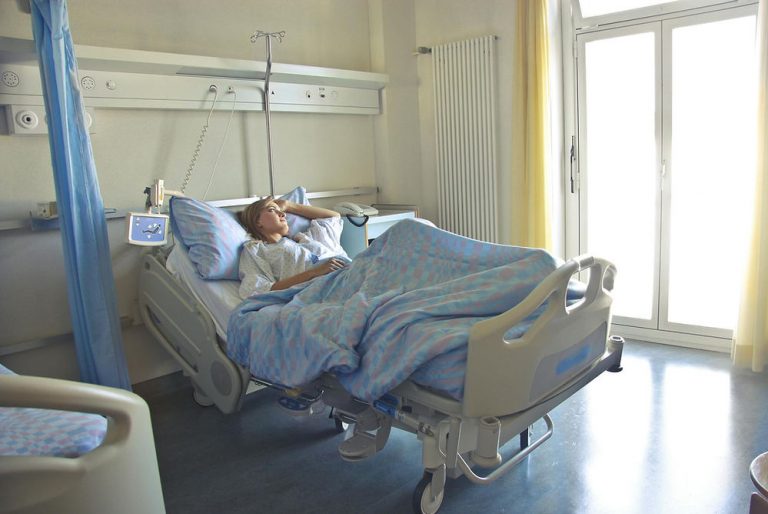
On the 4th of May the World Health Organization (WHO) put out a statement stating “… seven cases (two laboratory confirmed cases of hantavirus and five suspected cases) have been identified, including three deaths, one critically ill patient and three individuals reporting mild symptoms”.
The outbreak has left 150 passengers stuck onboard the ship with the management as a precaution, instructing all passengers to remain inside their cabins to prevent any potential spread of the virus.
The UN health agency associated the rare disease with the deaths of three individuals; a Dutch couple and a German national and reported that it also caused illness in at least three other passengers, including a 69-year-old British tourist who required intensive care in South Africa.
What about the Crew and Passengers on Board?
A US travel blogger aboard the ship shared that the most challenging aspect was the uncertainty about what lay ahead for those on board. Fighting back tears in a video posted on social media, Jake Rosmarin said, “We’re not just headlines — we’re real people, with families and lives, with loved ones waiting for us at home. It’s this uncertainty that makes it especially difficult.”
According to Oceanwide Expeditions, the cruise line operator “strict precautionary measures are in process onboard, including isolation measures, hygiene protocols and medical monitoring”. The company also said they were in contact with authorities in the Netherlands and the UK about the Dutch-flagged ship and were considering sailing to Spain’s Canary Islands, potentially Las Palmas or Tenerife, where further medical screening and handling could take place.
How Does a “Land Virus” End up on a Ship?
The most pressing question often ignored by mainstream news is: How did the rodents get there? Modern cruise ships are marvels of hygiene, but they are also massive logistical hubs.
Although the disease is mostly transmitted through rodents, currently investigations are ongoing and according to The Netherlands’ National Institute for Public Health and the Environment (RIVM), which is assisting with the situation, the source of the infection remains unclear.
The Maritime Supply Chain
Every time a ship docks, thousands of pallets of fresh produce, linens, and supplies are loaded on board. Rodents are the ultimate hitchhikers. A single infected mouse in a crate of grain or vegetables loaded at a tropical port can introduce the virus to the ship’s internal ventilation or food storage areas. This outbreak underscores a critical vulnerability in the global maritime supply chain: rodent control is not just about property damage; it is about viral biosecurity.
Symptoms to Watch
Part of the “viral” nature of this story is the panic caused by symptom overlap. In its early stages (days 1–5), Hantavirus looks like a standard case of the flu:
- Fever and chills
- Deep muscle aches (thighs, back, shoulders)
- Fatigue and dizziness
However, the “second phase” is where the danger lies. Patients may suddenly develop a dry cough and severe shortness of breath as their lungs fill with fluid. This rapid progression is why early clinical intervention is the only way to improve survival rates.
The TMMT Perspective: Managing Emerging Viral Risks
At The Medicines Management Team (TMMT), we monitor global health trends to ensure that our clinical partners are never caught off guard. While Hantavirus is rare, the management of such outbreaks requires a sophisticated pharmaceutical and logistical response.
Conclusion: A Wake-Up Call for Maritime Health
The 2026 Hantavirus cruise ship incident is a reminder that in our interconnected world, no ship is an island. As we move forward, the travel industry must integrate high-level clinical governance into its daily operations.
Preventative medicine is no longer just for those on land; it must follow us across the oceans. Through a combination of rigorous pest management, rapid diagnostic technology on board, and expert clinical oversight, we can ensure that the only things passengers bring home from their travels are good memories.
Is your organization prepared for emerging global health risks? Contact TMMT today to learn how our managed clinical services can provide the safety net your patients and staff deserve.
FAQ: Frequently Asked Questions
Usually, no. Most strains are only contracted from rodent contact. However, the Andes strain (found in South America) has been documented to spread between people in close contact. This is why the Cape Verde authorities took such strict precautions.
Yes, but it is much more common to catch it by breathing in dust contaminated with rodent urine or droppings. Bites are a rare but direct route of infection.
There is no globally cleared, widely available vaccine for Hantavirus yet, although research into HPS vaccines is ongoing in 2026. Prevention relies entirely on rodent control and avoiding contact with their waste.
The virus is relatively fragile; it usually only survives for a few hours to a couple of days in the environment, especially when exposed to sunlight (UV) or common household disinfectants like bleach.
Don’t panic—the flu is still much more likely. However, if you develop shortness of breath or have been in an area where you noticed signs of rodents, call your GP or NHS 111 and mention your travel history. Early detection is key.